samsung galaxy note 7 sets the stage for a remarkable journey through innovation and challenge in the smartphone realm. Released in August 2016, this device was lauded for its sleek design, stunning display, and enhanced S Pen functionality. However, it also faced significant hurdles due to safety concerns, which would ultimately shape its legacy in the tech industry.
With standout features like a dual-edge display and water resistance, the Galaxy Note 7 initially garnered positive reception. Reviewers praised its performance and design but were soon met with alarming reports of battery issues that would lead to widespread recalls. This juxtaposition of brilliance and controversy makes the Galaxy Note 7 a pivotal chapter in Samsung’s history.
Overview of Samsung Galaxy Note 7
The Samsung Galaxy Note 7, released on August 19, 2016, marked a significant entry in the smartphone market, continuing the legacy of the Galaxy Note series. With its advanced specifications and unique offerings, it aimed to cater to both productivity-oriented users and tech enthusiasts. However, its journey was marred by controversy due to safety issues that ultimately affected its reputation and sales.
The Galaxy Note 7 stood out with its premium design featuring a sleek glass and metal construction, alongside a stunning 5.7-inch Quad HD Super AMOLED display. It was powered by either the Qualcomm Snapdragon 820 or Samsung’s own Exynos 8890 processor, depending on the region, and came with 4GB of RAM and options for 64GB of internal storage, expandable via microSD. The device also boasted a 12MP rear camera with dual pixel technology, ensuring remarkable photography capabilities even in low-light conditions. One of its highlight features was the S Pen, which offered enhanced functionalities such as screen-off memo and live message creation.
Unique Features of Galaxy Note 7
Several features of the Galaxy Note 7 distinguished it from competitors in the high-end smartphone market. Among them were:
- Water and Dust Resistance: The IP68 rating ensured that the device could withstand immersion in water and exposure to dust, making it durable for everyday use.
- Enhanced S Pen Functions: The S Pen introduced new capabilities, including a finer tip for better precision and the ability to create GIFs and annotate PDFs directly on the screen.
- Improved Security Features: The Note 7 featured an iris scanner, providing an additional layer of security for users alongside the traditional fingerprint sensor.
- Battery and Charging Innovations: It included a 3500mAh battery with fast charging and wireless charging capabilities, allowing for quick recharges and convenience.
The initial market reception of the Samsung Galaxy Note 7 was overwhelmingly positive, with many reviewers praising its design, display quality, and overall performance. Major publications highlighted its innovative features, particularly the S Pen and camera quality. However, this acclaim would soon be overshadowed by reports of battery issues leading to overheating and fires, which resulted in a global recall and discontinuation of the device just weeks after its launch. Despite its technological advancements, the Galaxy Note 7 serves as a case study in the importance of product safety and quality assurance in the highly competitive smartphone industry.
Safety Issues and Recalls: Samsung Galaxy Note 7
The Samsung Galaxy Note 7 is infamous for its serious safety issues primarily related to battery malfunctions. This section delves into the critical concerns that led to a massive recall and the company’s subsequent actions to address them.
The primary safety concern surrounding the Galaxy Note 7 was the risk of battery explosions and fires. This issue was attributed to faulty lithium-ion batteries that could overheat, leading to combustion. Reports emerged of several incidents where devices caught fire, prompting widespread alarm among users and retailers alike. As a result, Samsung announced an immediate recall of the device in September 2016, affecting millions of units.
Impact of the Recall on Customer Relations
The recall of the Galaxy Note 7 had significant implications for Samsung’s customer relations strategy. In order to manage the situation effectively, Samsung implemented several measures to regain customer trust and loyalty.
– Samsung initiated a global recall of approximately 2.5 million units of the Galaxy Note 7, which was a comprehensive effort to address the safety concerns. The company urged customers to power down their devices and return them for a refund or exchange.
– To facilitate the exchange process, Samsung provided incentives such as discounts on future purchases, making it easier for customers to transition to other devices within their product line.
– The company established a dedicated customer service hotline and increased staffing at retail locations to handle the influx of inquiries and return requests effectively.
The initial recall, however, did not fully resolve the issues, as reports continued to surface regarding replacement devices also experiencing battery failures. This led to a second recall in October 2016, impacting an additional 1 million devices that had been replaced.
In total, the scale of the recall was unprecedented, with reports indicating that about 2.5 million devices were affected by the battery issues, creating a substantial financial and reputational burden on the company. Samsung’s response included transparent communication, regular updates through various channels, and a commitment to improving safety standards in future products.
“Samsung’s proactive measures during the Galaxy Note 7 recall set a benchmark for crisis management in the tech industry.”
Design and User Experience
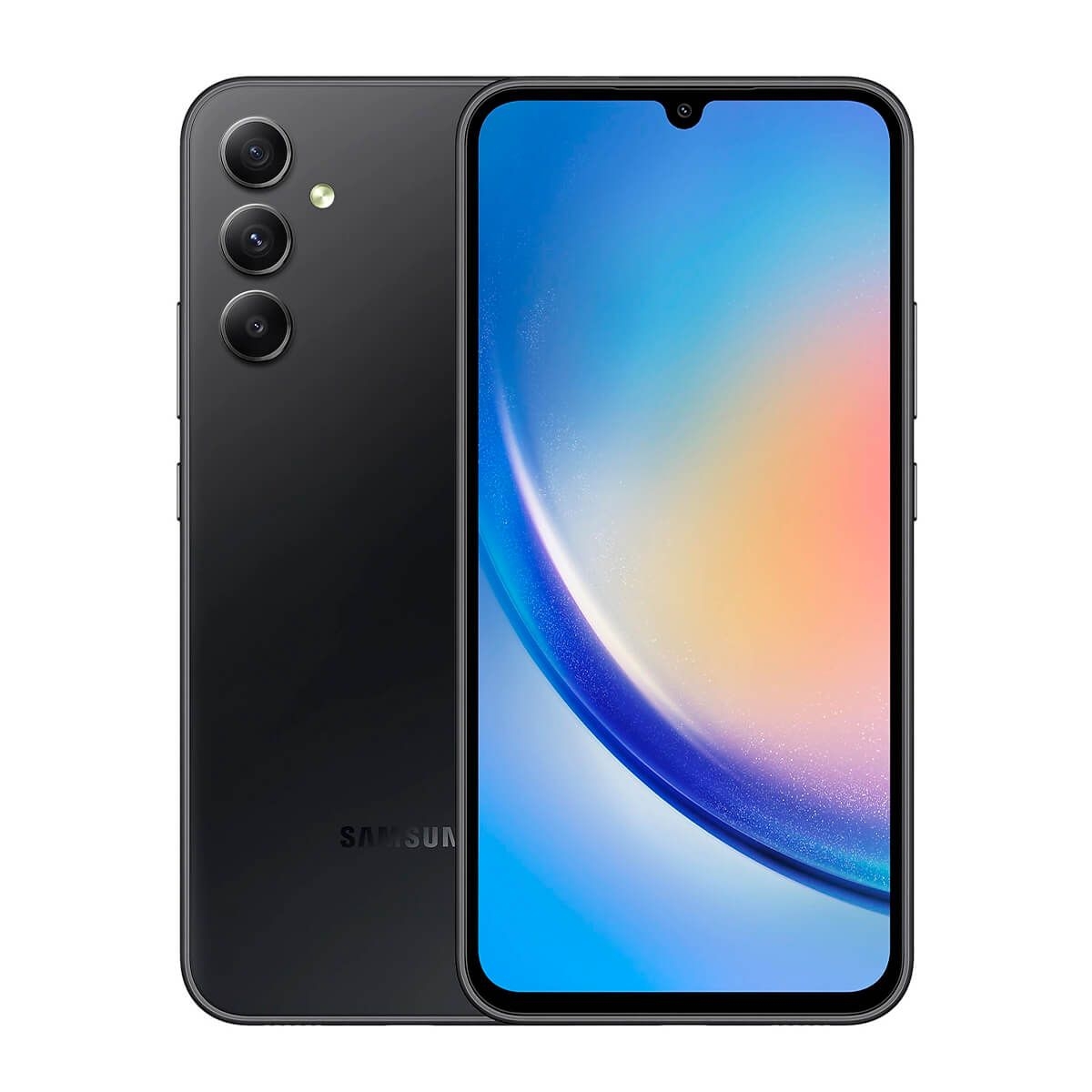
The Samsung Galaxy Note 7 emerged as a flagship device that combined innovative design with powerful functionality. With a focus on aesthetics and usability, the Note 7 sought to create an immersive experience for its users. Its sleek lines and high-quality materials contributed to both its appeal and ergonomics, setting a new standard in smartphone design.
The Galaxy Note 7 featured a glass and metal construction that provided a premium feel in hand. Its curved edges not only enhanced the visual appeal but also improved grip and handling, allowing for comfortable one-handed use. The device’s 5.7-inch Quad HD Super AMOLED display was designed to deliver vibrant colors and deep blacks, ensuring an engaging viewing experience for users. The inclusion of Gorilla Glass 5 on both the front and back surfaces added durability without compromising the sleek design.
User Experience Ratings Comparison, Samsung galaxy note 7
Comparing the user experience of the Galaxy Note 7 to its predecessors highlights the advancements Samsung made in enhancing functionality and satisfaction. The table below showcases various aspects of user experience ratings for the Galaxy Note 7 alongside the Galaxy Note 5 and Galaxy Note 4.
| Feature | Galaxy Note 4 | Galaxy Note 5 | Galaxy Note 7 |
|---|---|---|---|
| Display Quality | 8.5 | 9.0 | 9.5 |
| Camera Performance | 8.0 | 8.5 | 9.0 |
| User Interface | 8.0 | 8.5 | 9.0 |
| Battery Life | 7.5 | 8.0 | 8.5 |
| Overall Satisfaction | 8.0 | 8.5 | 9.2 |
The comparisons illustrate a clear upward trend in satisfaction, showcasing the Note 7’s advanced features that resonated positively with users.
Enhancements Through S Pen Functionality
The S Pen was a standout feature of the Galaxy Note series, and the Note 7 took this functionality to new heights. The S Pen not only allowed for precise input but also introduced a range of features that significantly enhanced the user experience. The ability to write directly on the screen, even when the device was turned off, provided a level of convenience that was much appreciated by users.
Additionally, the S Pen included features such as Smart Select, which allowed users to capture sections of their screen and share them easily or save them for later use. The Translate function enabled quick translations of text by simply hovering the S Pen over words, making it an invaluable tool for students and professionals alike. Furthermore, the Air Command menu provided quick access to various features, optimizing productivity for users who relied on the S Pen for note-taking and creative tasks.
The integration of the S Pen into the overall design of the Galaxy Note 7 exemplified Samsung’s commitment to enhancing user experience by providing innovative tools that catered to the needs of users who sought a versatile smartphone.
Legacy and Impact on Future Devices
The Samsung Galaxy Note 7, despite its significant safety issues and subsequent recall, left an indelible mark on the smartphone industry and Samsung’s future product strategies. The incident prompted a reevaluation of design standards, manufacturing processes, and consumer trust that continues to influence the company’s trajectory today.
The lasting impact of the Galaxy Note 7 on Samsung’s product development strategies is evident in their heightened focus on safety and reliability. Following the debacle, Samsung adopted a more rigorous testing protocol dubbed the “8-Point Battery Safety Check,” aimed at preventing similar failures in future devices. This initiative not only improved the safety of subsequent models, such as the Galaxy S8 and Note 8, but also reinforced the importance of consumer safety in the design process. The company’s commitment to transparency and customer satisfaction has been pivotal in restoring trust, as seen in the positive reception of later Galaxy Note devices.
Lessons Learned from the Galaxy Note 7 Incident
The Galaxy Note 7 incident served as a profound learning experience for Samsung and the broader smartphone industry. The critical lessons learned from this situation are:
- Enhanced Quality Control: The need for improved quality checks became paramount. Manufacturers began to prioritize comprehensive testing of components, particularly batteries, to ensure the reliability of their products before they reached consumers.
- Consumer Feedback Integration: The importance of integrating consumer feedback into product development was underscored. Companies recognized that engaging with customers could lead to better products and faster identification of potential issues.
- Risk Management Strategies: The incident highlighted the necessity of robust risk management strategies. Organizations started to develop contingency plans that included swift responses to product failures to protect brand reputation and customer safety.
- Focus on Transparency: Transparency in communication emerged as a crucial factor in maintaining consumer trust. Companies learned the importance of promptly addressing issues and keeping consumers informed throughout the resolution process.
The consumer sentiment surrounding the Galaxy Note series post-Note 7 has shown a complex evolution. Initially, there was a significant erosion of trust among consumers, with many expressing hesitation in purchasing future Galaxy devices. However, over time, Samsung’s efforts to regain consumer confidence have been reflected in positive reviews and sales figures for subsequent models.
The Galaxy Note 8 and later iterations received commendations for their performance, design, and safety features, indicating a rebound in brand loyalty. Surveys conducted post-Note 7 reveal that many customers who had previously owned a Note device still preferred to stay within the Galaxy ecosystem, appreciating the advancements made in response to the earlier crisis.
“The legacy of the Galaxy Note 7 is not just about a product failure; it is about how a brand can learn, adapt, and emerge stronger in the face of adversity.”
In summary, the Galaxy Note 7 incident catalyzed significant changes in Samsung’s approach to product safety, design integrity, and consumer relationship management. These lessons have not only shaped the future of the Galaxy series but also resonated across the entire smartphone industry, emphasizing the importance of prioritizing consumer safety and trust.
FAQs
What were the main features of the Samsung Galaxy Note 7?
The Samsung Galaxy Note 7 featured a 5.7-inch Super AMOLED display, an S Pen stylus, IP68 water and dust resistance, and a dual-edge design.
How many Samsung Galaxy Note 7 devices were recalled?
Approximately 2.5 million Galaxy Note 7 devices were recalled due to battery-related safety issues.
What was the consumer response to the Galaxy Note 7’s safety issues?
Consumer response was largely negative, with many expressing disappointment over Samsung’s handling of the recalls and safety concerns.
Did the Galaxy Note 7 impact Samsung’s brand reputation?
Yes, the Galaxy Note 7 incident affected Samsung’s reputation temporarily, leading to increased scrutiny on their quality control processes.
What lessons did Samsung learn from the Galaxy Note 7 experience?
Samsung learned the importance of rigorous testing and transparency in addressing safety concerns to maintain consumer trust.
The Samsung Galaxy Note 7 marked a significant advancement in smartphone technology, offering users a stunning display and powerful performance. However, its controversial battery issues led to one of the most notable recalls in tech history. Despite this, the Note 7’s design and features influenced future models, showcasing the brand’s commitment to innovation.
In the realm of flagship smartphones, the Samsung S 10 stands out with its sleek design and cutting-edge technology. With features like an impressive camera system and an all-day battery life, it caters to both casual users and tech enthusiasts alike. This model represents Samsung’s dedication to pushing the boundaries of what a smartphone can achieve.