samsung galaxy s 4 stands as a landmark in the evolution of smartphones, captivating users with its cutting-edge features and elegant design. Launched amidst fierce competition, the Galaxy S4 brought various innovations that set new standards in the industry, from its stunning display to its powerful performance capabilities.
This smartphone was not just an upgrade from its predecessors but a redefinition of what users expected from mobile technology. With a focus on enhancing user experience, the Samsung Galaxy S4 combined advanced software with impressive hardware, making it a device that appealed to both tech enthusiasts and everyday consumers alike.
Overview of Samsung Galaxy S4
The Samsung Galaxy S4, launched in April 2013, stands as a pivotal model in Samsung’s Galaxy series, introducing several innovative features that set a new standard for smartphones. This flagship device not only boasted impressive specifications but also showcased a refined design and user-friendly interface, contributing to its significant market success.
The Galaxy S4 was powered by the Exynos 5 Octa or Qualcomm Snapdragon 600 chipset, depending on the region, offering a seamless performance experience. The device featured a 5-inch Super AMOLED display with a resolution of 1080 x 1920 pixels, ensuring vibrant colors and sharp images. With 2GB of RAM and storage options ranging from 16GB to 64GB, expandable via microSD, the S4 was adept at multitasking and handling demanding applications. The 13-megapixel rear camera, alongside a 2-megapixel front camera, provided users with high-quality photography capabilities, while a 2600 mAh battery ensured prolonged usage.
Design Elements and Materials
The design of the Samsung Galaxy S4 marked a significant evolution from its predecessor, the Galaxy S3. It featured a sleek, lightweight design characterized by rounded edges and a minimalistic aesthetic. The front display was framed by a thin bezel, enhancing the visual appeal and allowing for a larger screen size without increasing the overall dimensions of the device.
The materials used in constructing the Galaxy S4 included a polycarbonate plastic back that contributed to its lightweight nature, while maintaining durability. The device was available in various colors including Black Mist, White Frost, and several limited edition hues, catering to diverse style preferences. The design also included a removable battery cover, enabling users to replace the battery easily.
Historical Context within the Galaxy Series
The introduction of the Galaxy S4 represented a critical moment in the evolution of Samsung’s Galaxy series. Following the success of the Galaxy S3, which had already established Samsung as a formidable competitor in the smartphone market, the S4 sought to build upon this momentum. The S4 was positioned not just as a continuation, but as a redefinition of what a flagship smartphone could offer.
Upon its release, the Galaxy S4 was met with widespread acclaim, often lauded for its rich feature set and user-centric innovations such as Smart Scroll and Air Gesture. These features allowed users to interact with their phones in more intuitive ways, emphasizing Samsung’s commitment to enhancing user experience. The success of the Galaxy S4 solidified Samsung’s dominance in the smartphone industry, leading to a cascade of subsequent models and innovations in the years that followed.
Performance and User Experience
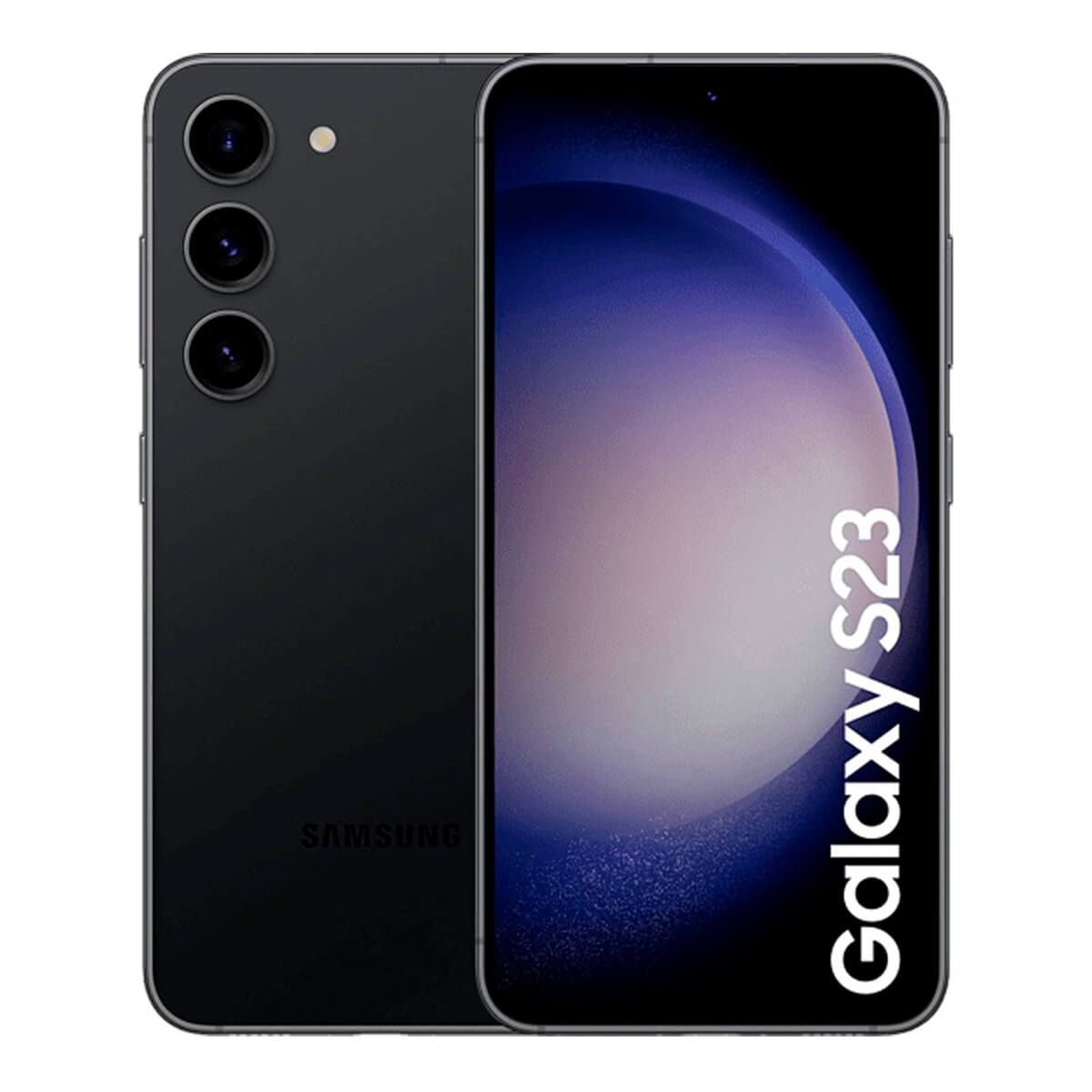
The Samsung Galaxy S4 is a device that marked a significant leap in smartphone technology, offering a blend of cutting-edge hardware and a refined user interface that elevates the overall experience. With its advanced specifications and innovative software features, the Galaxy S4 delivers remarkable performance that appeals to both casual users and tech enthusiasts alike.
The performance of the Samsung Galaxy S4 is driven by its powerful hardware, featuring a Qualcomm Snapdragon 600 processor or an Exynos 5 Octa processor, depending on the region. The Snapdragon variant boasts a clock speed of up to 1.9 GHz, while the Exynos 5 Octa offers a unique architecture that utilizes four high-performance cores alongside four energy-efficient cores. This dual-core architecture allows the device to manage power effectively while delivering robust performance. Coupled with 2 GB of RAM, users experience swift multitasking capabilities and a smooth operation of resource-intensive applications.
Comparison of User Experience
The user experience of the Samsung Galaxy S4 stands out when compared to its predecessor, the Galaxy S3, and its successor, the Galaxy S5. One significant improvement is the introduction of the TouchWiz Nature UX interface, which enhances the usability and aesthetics of the device. Users benefit from an array of features such as Smart Scroll, which allows scrolling through content using eye movement, and Air Gesture, enabling users to navigate without physical contact.
Notably, one major enhancement in user experience is the transition from a 4.8-inch display in the Galaxy S3 to a 5-inch Full HD Super AMOLED display in the S4. This upgrade not only results in a sharper resolution but also improves color accuracy and brightness, providing a more immersive viewing experience.
When comparing the Galaxy S4 to its successor, the Galaxy S5, while the S5 introduces features like water resistance and a fingerprint scanner, the S4 remains competitive in performance due to its robust hardware. The software experience, however, may feel slightly dated on the Galaxy S4, as it does not support some of the latest features introduced in the newer models.
Operating System and Software Features
The Samsung Galaxy S4 originally launched with Android 4.2.2 Jelly Bean, offering users an array of software features that enhance productivity and entertainment. The integration of software features such as Multi Window, which allows users to run two apps simultaneously, exemplifies the device’s focus on multitasking capabilities.
The device also supports various camera features, including Drama Shot, which captures multiple images in quick succession, allowing users to create dynamic photos. Additionally, the Group Play feature enables users to share music, photos, and games with nearby Galaxy S4 devices, fostering a shared experience.
The software updates over the years have brought newer Android versions and security enhancements, though users may find that the device is limited in terms of compatibility with some of the latest applications and features available on newer devices. Nevertheless, the Galaxy S4’s user experience remains highly regarded for its performance, usability, and innovative features that set it apart in the competitive smartphone landscape.
Camera and Multimedia Features
The Samsung Galaxy S4 pushed the boundaries of mobile photography and multimedia capabilities at its time of release. With numerous features catering to both casual users and photography enthusiasts, the device aimed to redefine how people captured and enjoyed content on their smartphones.
Camera Specifications and Functionalities
The Samsung Galaxy S4 is equipped with a 13-megapixel rear camera and a 2-megapixel front camera. The rear camera boasts an f/2.2 aperture, allowing for better performance in low-light conditions. Key features include:
- Dual Shot: This feature allows users to capture photos using both the front and rear cameras simultaneously, merging the images into one dynamic photo.
- Smart Pause: The camera can automatically pause video playback when the user looks away, enhancing user interaction.
- Drama Shot: This mode captures a series of images in rapid succession, allowing users to create a composite image that showcases action sequences.
- Sound & Shot: This innovative setting enables users to capture a photo along with a few seconds of audio, providing a narrative context to the image.
The camera’s performance is complemented by various shooting modes that cater to different scenarios, such as HDR, Night, and Panorama, showcasing its versatility. Additionally, the Galaxy S4 supports full HD video recording at 1080p, ensuring that users can create high-quality videos with ease.
Camera Performance Comparison, Samsung galaxy s 4
When compared to other flagship smartphones of its era, the Galaxy S4’s camera performance stood out in several ways. Competing devices like the HTC One and the iPhone 5 were also known for their camera capabilities; however, the Galaxy S4’s array of features gave it an edge. For instance, while the HTC One emphasized low-light performance with its UltraPixel technology, the S4 provided a more comprehensive suite of photography options that appealed to a broader audience.
In terms of image quality, the S4 produced vibrant images with excellent detail and color reproduction, often outperforming its rivals in well-lit environments. User reviews indicated that the camera’s autofocus was fast and reliable, making it suitable for capturing spontaneous moments, which is essential in mobile photography.
Multimedia Capabilities
The Samsung Galaxy S4 excels in multimedia playback, offering an array of features that enhance the audio and visual experience. Equipped with a 5-inch Super AMOLED display, the device delivers stunning colors and deep contrasts, making it ideal for watching videos and playing games.
For audio quality, the Galaxy S4 includes features such as:
- SoundAlive: This audio enhancement feature allows users to adjust sound effects and optimize playback for various audio types, providing a customizable listening experience.
- Wide Sound: This technology improves the clarity and depth of sound, creating an immersive audio environment.
The device supports various audio and video formats, ensuring compatibility with most media files. The inclusion of an expandable storage option using microSD cards further enhances its multimedia capabilities, as users can store large libraries of music and videos without worrying about space limitations.
Overall, the Samsung Galaxy S4’s camera and multimedia features make it a formidable contender in the smartphone market, appealing to users who prioritize quality photography and an enjoyable multimedia experience.
Market Impact and Reception
The Samsung Galaxy S4, released in April 2013, made a significant splash in the smartphone market, showcasing advanced technology and user-centric features that garnered extensive attention. Its launch was not just another product release; it represented a pivotal moment for Samsung, solidifying its position as a leader in innovation and consumer electronics. As a successor to the Galaxy S3, the S4 was under immense pressure to meet elevated expectations from both consumers and industry analysts.
User Reviews and Feedback
The initial reception from users was overwhelmingly positive, highlighting the Galaxy S4’s impressive specifications and user-friendly interface. Across various platforms, reviews emphasized its vibrant display, speed, and robust performance.
Key feedback from users included:
- The 1080p Super AMOLED display was frequently described as “stunning” and “crisp,” enhancing everything from gaming to video playback.
- Many users praised the multitasking capabilities enabled by features like Multi Window, allowing them to run multiple apps simultaneously.
- Camera performance, particularly the dual-shot feature that allowed simultaneous use of both front and rear cameras, garnered acclaim for creativity in photography.
- Some criticisms focused on the plastic design, which some users felt detracted from the overall premium feel of the device.
User feedback played a crucial role in shaping the Galaxy S4’s reputation, with many noting that it was among the best smartphones available at the time.
Sales Performance and Market Reception
Upon its release, the Galaxy S4 achieved remarkable sales figures, underscoring its popularity among consumers. Within the first month of launch, Samsung reported sales of over 10 million units, marking it as one of the fastest-selling smartphones in history. This success illustrated the strong demand for high-performance smartphones with innovative features.
The sales trajectory was supported by the following statistics:
- In the first quarter of 2013 alone, Samsung maintained a 32% share of the global smartphone market, a significant increase from previous years.
- By mid-2013, the Galaxy S4 surpassed its predecessor, the Galaxy S3, in sales, reinforcing Samsung’s dominance in the premium smartphone segment.
- The device’s popularity also led to an increase in Samsung’s overall market capitalization, reflecting investor confidence in the company’s direction.
These figures underscore the Galaxy S4’s impact on the market, marking it as a defining device of its era.
Marketing Strategies for Galaxy S4 Launch
Samsung employed a multifaceted marketing strategy to ensure that the Galaxy S4 reached a broad audience. This approach not only involved traditional advertising methods but also innovative campaigns that engaged consumers directly.
Key marketing strategies included:
- A high-profile launch event in New York City, which was streamed live and garnered global media attention.
- Creative advertising campaigns that highlighted unique features like Smart Pause and Air Gesture, showcasing how technology could enhance daily life.
- Significant investments in digital marketing, leveraging social media platforms to engage users and encourage word-of-mouth recommendations.
- Collaborations with various influencers and tech reviewers to generate buzz and credibility around the device.
These strategies were instrumental in positioning the Galaxy S4 as a must-have device at its launch, successfully capturing consumer interest and driving impressive sales figures.
Expert Answers: Samsung Galaxy S 4
What are the key specifications of the Samsung Galaxy S4?
The Samsung Galaxy S4 features a 5-inch Super AMOLED display, Snapdragon 600 processor, 2GB of RAM, and a 13MP rear camera.
How does the camera of the Samsung Galaxy S4 perform?
The camera offers excellent performance with features like HDR and a range of shooting modes, making it competitive with other smartphones of its time.
Is the Samsung Galaxy S4 still relevant today?
While newer models have surpassed it in technology, the Galaxy S4 remains a functional device for basic tasks and users who appreciate its features.
What operating system does the Samsung Galaxy S4 run?
The Galaxy S4 originally launched with Android 4.2.2 Jelly Bean and is upgradable to Android 5.0 Lollipop.
What was the market reception of the Samsung Galaxy S4?
The Galaxy S4 received positive reviews, praised for its design and features, and it achieved impressive sales upon its release.
The Samsung Galaxy Note10 stands out with its sleek design and powerful features, making it a favorite among tech enthusiasts. Its stunning display and advanced camera capabilities allow for an exceptional user experience, perfect for both productivity and creativity. Users often find the Note10’s performance to be unmatched, especially when compared to previous models.
Looking back, the Samsung Galaxy Note 7 was a significant release that captivated many with its innovative design, although it faced challenges that led to its eventual recall. Despite the issues, the Note 7 introduced features that set a high standard for future smartphones, highlighting Samsung’s commitment to pushing technological boundaries.