samsung note7 takes center stage as one of the most significant smartphones in recent history, capturing the industry’s attention with its innovative features and advanced technology. Launched in 2016, the Note 7 was designed to cater to tech-savvy consumers seeking cutting-edge capabilities, including an impressive display, enhanced camera systems, and stylus functionality. However, the excitement surrounding its release was soon overshadowed by a series of battery issues that ultimately led to one of the largest recalls in consumer electronics history.
This incident not only reshaped Samsung’s approach to product safety but also set new standards across the smartphone industry, prompting a reevaluation of design and manufacturing practices. The legacy of the samsung note7 continues to influence the market, reminding consumers and manufacturers alike of the crucial balance between innovation and safety.
Overview of Samsung Note 7
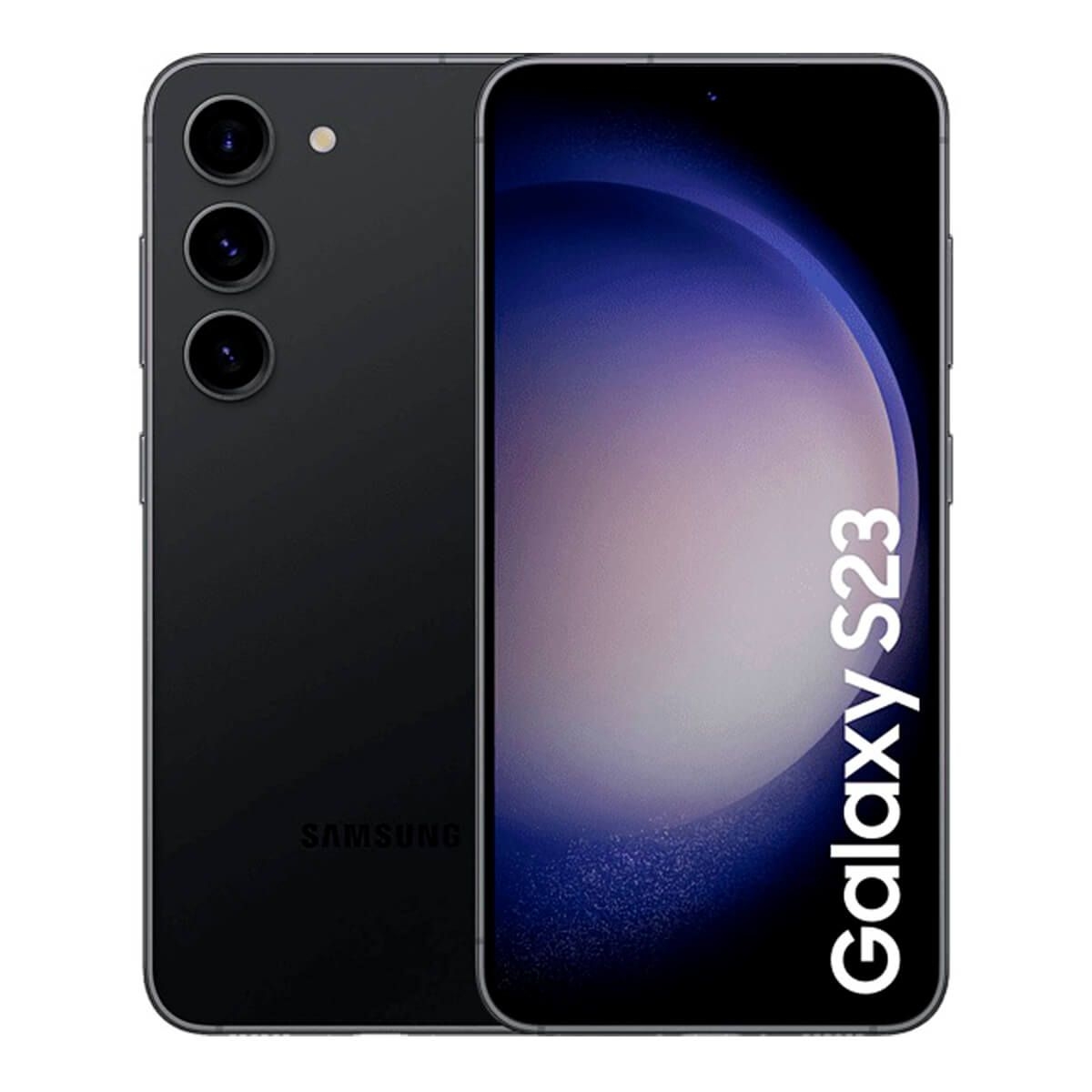
The Samsung Galaxy Note 7 was launched in August 2016, marking a significant advancement in the smartphone industry. It was part of the Note series, renowned for its large display, S Pen functionality, and productivity features aimed at business professionals and tech enthusiasts. Despite its innovative attributes, the Note 7 is often remembered for the controversies surrounding its battery issues, which ultimately led to a global recall.
The Galaxy Note 7 came equipped with a range of cutting-edge features that set it apart from its predecessors and competitors. It boasted a 5.7-inch Quad HD Super AMOLED display, providing vibrant colors and deep blacks that enhanced media consumption experiences. The device featured the latest Snapdragon 820 or Exynos 8890 processor, depending on the region, along with 4GB of RAM and storage options of 64GB that could be expanded via microSD. Furthermore, the Note 7 introduced an IP68 rating for water and dust resistance, a feature that appealed significantly to users looking for durability in their devices.
Technological Advancements of Samsung Note 7
The Samsung Galaxy Note 7 was not just about size; it also introduced several technological advancements that set the standard for future smartphones. One of the most notable features was its enhanced S Pen, which offered improved pressure sensitivity and a finer tip for more precise writing and drawing. This made it invaluable for professionals and creatives who relied on digital note-taking and sketching.
In addition to the S Pen, the Note 7 incorporated a dual-edge screen design, which provided users with a larger display area while enabling quick access to shortcuts and notifications. This design innovation was complemented by the introduction of a biometric iris scanner, allowing users to unlock their device using facial recognition technology. The inclusion of a 12MP Dual Pixel rear camera enabled faster focus and better low-light performance, ensuring high-quality photos in various conditions.
Key features that defined the technological prowess of the Note 7 included:
- Fast charging capabilities, both wired and wireless, allowing for quick power-ups on the go.
- Adaptive HDR for improved photo quality and a better viewing experience in different lighting conditions.
- Knox security platform, providing enhanced security against malware and unauthorized access.
The Note 7’s target market was primarily professionals and tech-savvy individuals who sought a combination of productivity and premium features in their smartphones. Upon launch, consumer reception was initially positive, with many praising its design and functionalities. However, the enthusiasm quickly turned into concern when reports of battery overheating and fires emerged, prompting Samsung to issue a recall and eventually discontinue the model.
The Galaxy Note 7 was initially celebrated for its groundbreaking features but ultimately became a cautionary tale in the tech industry regarding quality control and consumer safety.
Battery Issues and Recall: Samsung Note7

The Samsung Note 7 was initially celebrated for its exceptional features, but it quickly became infamous due to serious battery issues that led to one of the largest recalls in smartphone history. Reports of the device catching fire or exploding illuminated significant concerns regarding the safety of the product, throwing the tech giant into disarray.
The primary issue revolved around the lithium-ion battery used in the Note 7, which was found to have a manufacturing defect. This defect caused the battery to short circuit, leading to overheating, fires, and in extreme cases, explosions. The combination of a faulty battery design and aggressive manufacturing timelines resulted in units that posed a substantial risk to consumers. Samsung’s response was swift; they issued a recall of approximately 2.5 million devices globally. The company urged users to power off their devices immediately and return them for a full refund or an exchange for a safer model.
Samsung’s Response to the Recall, Samsung note7
In reaction to the battery crisis, Samsung undertook a comprehensive approach to ensure consumer safety and regain public trust. The recall process involved several critical steps:
1. Immediate Communication: Samsung initiated a robust communication campaign, informing customers through various channels about the potential risks associated with the Note 7.
2. Return Program: A structured return program was implemented, allowing users to exchange their devices for safer alternatives or receive full refunds. This program included generous compensation offers to encourage participation.
3. Rigorous Testing: To address the battery issues, Samsung conducted extensive testing on replacement devices to ensure the safety and reliability of the new batteries. This included implementing a multi-point safety check, which became a new standard for their battery production going forward.
4. Collaboration with Regulatory Authorities: Samsung collaborated with various safety organizations and regulatory bodies throughout the recall process to ensure compliance with safety standards and to keep consumers informed.
The extensive efforts demonstrated Samsung’s commitment to consumer safety, although the fallout from the incident had long-lasting impacts on the brand’s reputation.
Comparative Analysis of Battery Technology
At the time of the Note 7’s release, several competitors were also utilizing lithium-ion battery technology, but Samsung’s issues highlighted critical differences in battery management and quality control among manufacturers. The Note 7’s battery, produced by Samsung SDI, had a higher capacity (3,500 mAh) compared to many of its contemporaries, which may have contributed to the overheating issues.
In contrast, Apple’s iPhone 7 featured a smaller battery (1,960 mAh) but focused on optimization and efficiency, which minimized risks despite the lower capacity. Other competitors like Google with the Pixel also emphasized battery management systems that prioritized safety. The differences in battery technology and management practices among these brands underscored the importance of rigorous quality control in the highly competitive smartphone market.
“Safety should always come first, especially when it comes to technology that we rely on daily.”
Impact on Samsung’s Brand

The Samsung Note 7 incident marked a significant turning point for the company’s brand reputation. Initially hailed as a cutting-edge smartphone, the device’s battery issues led to widespread criticism and concern among consumers. As the situation unfolded, Samsung faced immense scrutiny over its quality control processes and safety standards, leading to a tarnished image that would take years to repair.
The financial implications of the Note 7 recall were staggering. Samsung estimated the total cost of the recall and subsequent financial losses to exceed $5 billion. This figure stems not only from direct recall costs but also from the loss in market share, diminished customer trust, and the impact on future sales. Investors reacted negatively, leading to fluctuations in stock prices and a decline in overall market confidence in the brand.
Brand Reputation Challenges
The fallout from the Note 7 incident presented several challenges to Samsung’s brand reputation. Key factors included:
- Loss of Consumer Trust: Customers began to question the reliability and safety of Samsung products, causing a shift in consumer loyalty towards competitors.
- Negative Media Coverage: Extensive news reports highlighting the battery explosion incidents created a perception of negligence within Samsung’s manufacturing processes.
- Impact on Future Product Launches: The incident cast a shadow over upcoming product features and innovations, as skepticism replaced enthusiasm among potential buyers.
Financial Consequences of the Recall
The financial fallout from the Note 7 recall had a long-lasting impact on Samsung’s revenue streams. As one of the company’s flagship devices, the Note 7 was expected to contribute significantly to overall sales. Instead, the recall forced Samsung to incur substantial losses, which included:
- Direct Costs: The recall involved refunding customers and replacing devices, leading to immediate financial burdens.
- Decreased Sales Revenue: The negative publicity surrounding the Note 7 led to a decrease in overall smartphone sales, particularly within the high-end market segment.
- Market Share Erosion: Competitors such as Apple and Google capitalized on Samsung’s misstep, gaining ground in the premium smartphone market during the recall period.
Improvements in Product Design and Safety
In response to the Note 7 crisis, Samsung implemented several changes to its product design and safety protocols to regain consumer trust and enhance brand integrity. These efforts included:
- Enhanced Safety Testing: Samsung adopted a more rigorous testing process for battery safety, including a thorough multi-point battery check prior to product launches.
- Creation of a Battery Advisory Group: The company established a panel of experts to review and oversee battery production and safety standards, ensuring compliance with industry regulations.
- Increased Consumer Transparency: Samsung improved communication with consumers regarding product safety and recall procedures, fostering a more transparent relationship with its customer base.
The Note 7 incident serves as a reminder of the fragility of brand reputation in the tech industry, highlighting the critical importance of quality assurance and consumer safety.
Legacy and Influence
The Samsung Note 7’s troubled legacy extends far beyond its immediate impact on consumers and the company itself. Its design flaws and the subsequent recall have reshaped how smartphone manufacturers approach safety, innovation, and consumer trust in technology. As we delve into its lasting influence, we’ll explore the significant changes in design and safety standards, the long-term effects on consumer trust, and a timeline that captures the innovations in smartphone technology post-Note 7.
The Note 7 incident prompted manufacturers to rethink their design philosophies and safety protocols. This event led to a reevaluation of battery technologies, quality assurance processes, and the importance of consumer safety in product development. Many companies began to adopt stricter testing procedures and designed devices with more robust safety features to avoid similar pitfalls.
Influence on Smartphone Design and Safety Standards
The ramifications of the Note 7 recall have initiated a ripple effect throughout the smartphone industry, influencing design and safety standards in several key areas:
– Battery Safety Protocols: Manufacturers now implement more rigorous battery testing, including stress tests and thermal analysis, to prevent overheating and potential explosions.
– Modular Designs: The push for modular designs has gained traction, allowing easier replacement of components like batteries, thus minimizing risk and enhancing repairability.
– Focus on Software Management: Smart charging technology has become a staple, with software designed to monitor battery health and prevent overcharging.
– Increased Transparency: Brands are now more transparent about their materials and manufacturing processes, fostering trust among consumers.
The importance of these adjustments cannot be overstated; they not only aim to prevent incidents like the Note 7 but also to reassure consumers that their safety is a priority.
Long-term Effects on Consumer Trust in Technology Brands
The Note 7 debacle significantly impacted consumer trust in technology brands, creating an environment of skepticism and caution. Following the recall, many consumers reassessed their loyalty to established brands, influencing purchasing decisions and brand perceptions across the industry. Key long-term effects include:
– Skepticism Towards New Releases: Consumers became more cautious with new product launches, often waiting for reviews and feedback before making a purchase.
– Rise of Consumer Activism: Increased awareness regarding product safety inspired consumers to demand greater accountability from brands, contributing to a more engaged consumer base.
– Shift Towards Brand Transparency: Companies have since prioritized open communication about product safety and quality, aiming to rebuild trust with their audiences.
The influence of the Note 7’s legacy is evident in the evolving dynamics between consumers and technology brands, showing that trust is paramount in the tech industry.
Innovations in Smartphone Technology Post-Samsung Note 7
In the aftermath of the Note 7 crisis, there has been a marked acceleration in innovations within the smartphone industry, as manufacturers sought to redefine safety and performance. The following timeline Artikels key technological advancements that emerged post-Note 7:
| Year | Innovation | Description |
|---|---|---|
| 2017 | Improved Battery Technologies | Introduction of lithium-silicon batteries, which provide better energy density and safety features. |
| 2018 | AI-Enhanced Camera Systems | Integration of AI and machine learning for improved photo capture and image processing. |
| 2019 | 5G Connectivity | Launch of the first 5G smartphones, enabling faster data speeds and lower latency. |
| 2020 | Foldable Displays | Introduction of foldable smartphones, providing greater versatility in design and usage. |
| 2021 | Advancements in Biometric Security | Enhanced facial recognition and under-display fingerprint sensors for improved security. |
| 2022 | Sustainable Materials | Increased use of recycled materials in smartphone manufacturing, addressing environmental concerns. |
These innovations underscore the industry’s shift towards enhancing user experience while prioritizing safety and environmental responsibility. The legacy of the Samsung Note 7 continues to influence the trajectory of smartphone technology, pushing brands to innovate responsibly and regain consumer confidence.
Questions and Answers
What caused the battery issues in the samsung note7?
The battery issues were attributed to a design flaw that caused overheating, leading to fires and explosions.
How did Samsung respond to the recall?
Samsung initiated a global recall, replaced defective devices, and implemented rigorous safety protocols to prevent future issues.
What were the financial implications of the note7 recall?
The recall cost Samsung billions in lost sales, legal fees, and damage to its brand reputation.
Did the samsung note7 influence future smartphone designs?
Yes, it prompted manufacturers to prioritize battery safety and quality control in their design processes.
How has consumer trust been affected by the samsung note7 incident?
While some consumers grew more cautious, many regained trust as Samsung established stricter safety measures and transparency.
The Samsung Galaxy Note 7 made waves with its innovative features and stunning design, but its launch was marred by safety concerns. Despite its potential, the device was recalled due to battery issues, highlighting the importance of quality control in tech. This incident serves as a reminder for manufacturers to prioritize user safety above all.
As the tech market evolves, the latest promotion for iPhone models offers a great opportunity for enthusiasts to upgrade their devices. With attractive deals and financing options, consumers can access cutting-edge technology without breaking the bank. Keep an eye on these promotions, as they can significantly enhance your mobile experience.